
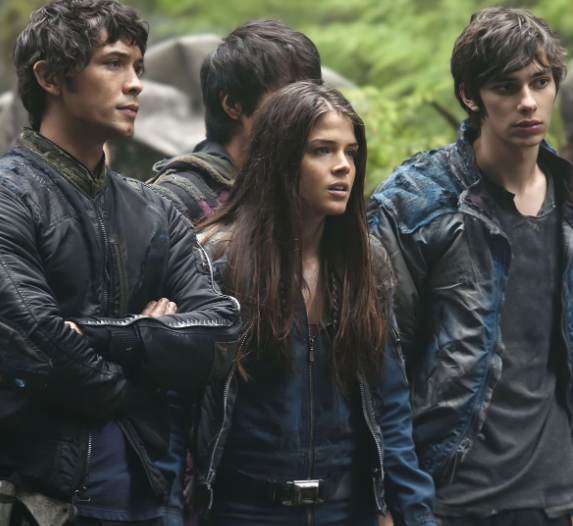
The time when people search for Clans in the 100, they tend to learn more about this social structure. There is a piece of land that each clan manages within the post-apocalyptic world. The warriors or the commanders are typically the source of leadership that can be related to the bigger political order. Clan allegiance tends to influence the actions of characters within a significant conflict. Such an arrangement forms a stratified society and not one united society.
Why territory mattered so much between clans
Geography played a huge role in how clans developed their identity. Forest areas, coastal zones, and ruined cities all influenced lifestyle choices. When discussing Clans of the 100, fans often notice how the environment shaped traditions. Some clans lived closer to old technological ruins. Others relied more on hunting or trade networks across forests and mountains. Because resources were limited, protecting territory became a serious responsibility. That competition sometimes caused tension even before outside threats appeared.
The twelve original clans formed a political alliance
The show explains that twelve main clans eventually united under one leadership structure. This alliance created the coalition known across Grounder territory. Anyone researching Clans in the 100, it usually comes across this political arrangement quickly. Each clan still kept its own customs despite joining the coalition. The alliance mostly existed to prevent constant war between neighboring groups. A commander acted as the central authority when disputes became serious. This structure allowed different groups to cooperate during larger threats.
Trikru became the most familiar clan to viewers
Among the many groups in the show, Trikru received the most screen time. Characters like Lexa and Lincoln helped viewers understand their culture better. When exploring Clans of the 100, Trikru usually appears first in explanations. Their territory included forests and ruins near the landing site of the Sky People. Because of this location, early interactions between Grounders and outsiders involved them directly. That proximity made their traditions more visible during the first seasons.
Ice Nation showed a very different leadership style
Azgeda, also called Ice Nation, followed a much harsher political approach. Their leadership emphasized strength and control over diplomacy. In many discussions about Clans in the 100, Azgeda appears as a contrast to Trikru. The clan operated mainly in colder northern territories. Cultural identity within the group focused heavily on power and discipline. Their rulers often pursued influence within the coalition. This approach caused several conflicts with other clans.
Desert clans adapted to extreme environmental conditions
Not every clan lived in forests or near ruined cities. Some groups survived in harsh desert environments far from water sources. When people examine Clans of the 100, they sometimes overlook these smaller groups. Desert clans relied heavily on mobility and resource awareness. Their survival depended on understanding weather patterns and scarce supplies. Travel routes across desert regions became extremely important for trade. This lifestyle shaped their strategies during larger political disputes.
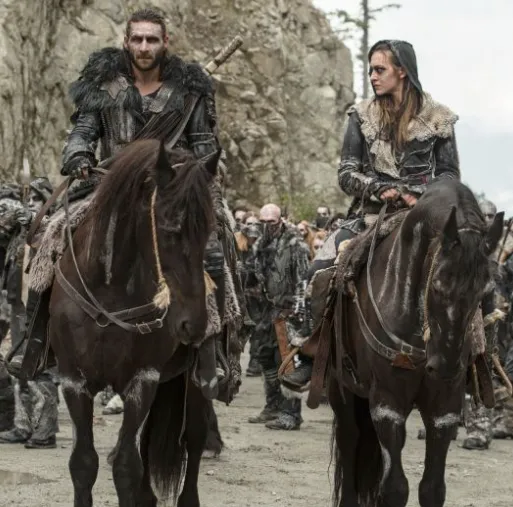
The coalition created a fragile peace among many clans
The commander system attempted to unify the twelve clans under shared leadership. While cooperation improved slightly, rivalry still existed beneath the surface. Viewers researching Clans in The 100 often notice this delicate balance. Different clans followed the commander’s authority but kept their own internal hierarchies. Some leaders supported unity while others quietly pursued more power. This mixture of loyalty and ambition made coalition politics complicated.
Language played a role in cultural identity
Grounder culture included a constructed language called Trigedasleng. It appeared frequently in conversations between clan members. Many fans exploring Clans of the 100 find the language system fascinating. The language evolved from English after generations of cultural change. Over time, it became a symbol of shared identity among Grounder groups. However, pronunciation and slang sometimes varied between regions. These variations helped distinguish different clan backgrounds.
Clan symbols helped identify alliances quickly
Visual markings and banners helped warriors recognize each other during conflicts. Different symbols represented different territories and leadership groups. Discussions about Clans in the 100, they often mention these identifiers. Armor designs, tattoos, and clothing patterns also carried meaning. These details helped communicate rank and loyalty during negotiations or battles. Visual identity remained important in a world where written records were limited.
Interclan diplomacy required careful negotiation
Alliances between clans rarely stayed stable without effort. Trade agreements, shared defense plans, and territory disputes required constant negotiation. In conversations about Clans in the 100, diplomacy becomes an important theme. Leaders often met during council discussions to settle conflicts peacefully. However, political ambition sometimes disrupted these agreements. This created a constant tension between cooperation and rivalry.
Conclusion
The social system behind Clans in the 100, it is one of the most detailed in the series due to its tribal structure. Groups have different identities due to the different territories, traditions, and leadership styles. When individuals analyze Clans of the 100, they start understanding how the three components of geography, politics, and culture interrelate to form Grounder society. Although a temporary unity between twelve of the largest clans was achieved by the coalition, rivalry and ambition were still a normal part of everyday life. Clan loyalty was further enhanced with the use of language, symbols, and warrior traditions. All these create a complex world where strength alone is not enough to survive, but also alliances and wise decisions of the leaders.
