
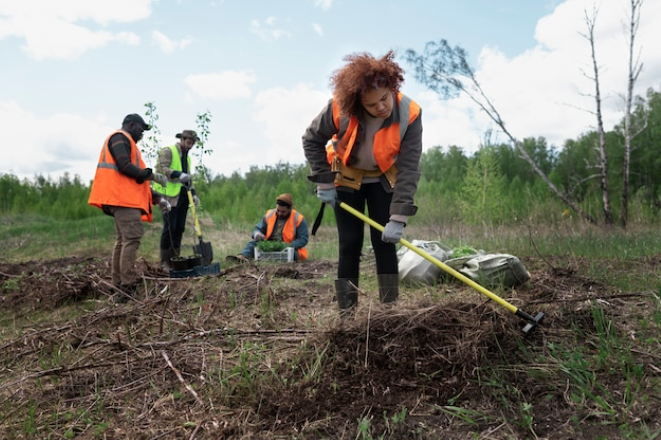
Forestry mulching is an efficient and environmentally friendly land-clearing method that transforms trees, brush, and vegetation into nutrient-rich mulch. Unlike traditional land-clearing techniques that require multiple machines and debris removal, this process uses a single specialized machine to handle everything on-site. Understanding the step-by-step process of forestry mulching can help landowners and contractors appreciate its efficiency and long-term benefits.
1. Initial Site Assessment
The first step in forestry mulching is conducting a thorough site assessment. Professionals evaluate the size of the land, type of vegetation, terrain conditions, Advertise your business and any environmental concerns.
This assessment helps determine the appropriate equipment and strategy needed for the project. Identifying obstacles such as rocks, fences, or utility lines ensures a safe and smooth operation.
2. Planning and Preparation
After the site inspection, a clear plan is developed. In this stage of forestry mulching, contractors decide which areas need clearing and which vegetation should be preserved.
Property boundaries are confirmed, and access points for machinery are established. Proper planning ensures the process is efficient and prevents unnecessary damage to surrounding areas.
3. Equipment Setup
Forestry mulching requires specialized machinery, typically a skid steer or tracked vehicle equipped with a powerful mulching head attachment. The equipment is transported to the site and carefully set up for operation.
Operators check all mechanical components to ensure everything is functioning correctly. This preparation reduces downtime and enhances safety during the clearing process.
4. Vegetation Cutting and Grinding
The core stage of forestry mulching involves cutting and grinding vegetation. The mulching head attachment shreds trees, brush, and undergrowth into small wood chips. These materials are evenly distributed across the ground as mulch.
This single-step process eliminates the need for hauling debris or burning, making it both time-saving and eco-friendly. The operator carefully maneuvers the machine to maintain an even finish and avoid damaging the soil.
5. Mulch Distribution and Soil Protection
As the vegetation is processed, a protective layer of mulch is created. This layer helps retain soil moisture, reduce erosion, and suppress weed growth. Forestry mulching naturally enriches the soil as the organic material decomposes over time.
Unlike bulldozing, this method preserves topsoil structure and promotes healthier land regeneration. It also improves ground stability, making the area safer and more suitable for future development or agricultural use.
6. Final Inspection and Cleanup
Once the clearing is complete, a final inspection is conducted to ensure the project meets the client’s expectations. Operators check for any missed areas and ensure the mulch is evenly spread.
Any remaining large debris or obstacles are addressed at this stage. The site is left clean, accessible, and ready for its intended use, whether for construction, agriculture, or landscaping.
Conclusion
The step-by-step process of forestry mulching highlights why it is considered one of the most effective land-clearing methods available today. From site assessment and careful planning to vegetation grinding and final inspection, each stage is designed to maximize efficiency and environmental protection. By choosing forestry mulching, landowners and contractors can achieve fast, cost-effective, and sustainable results while maintaining the health and quality of their land.
