
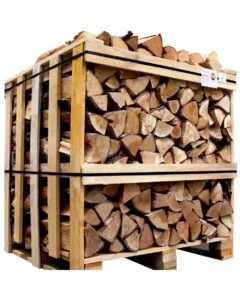
British weather can make fuel storage more challenging than it first appears. Rain, damp air, cold surfaces, and sudden temperature changes can all affect the condition of firewood if it is not stored correctly. Good storage is not only about keeping logs under a roof. Airflow, ground contact, stacking method, and the location of the store all matter. By getting these basics right, homeowners can protect their fuel and make sure it is ready to burn when colder weather arrives.
Keep Fuel Off the Ground
Ground moisture is one of the easiest problems to overlook. Logs placed directly on concrete, soil, or paving can absorb dampness from below, especially during long periods of wet weather. Even if the top of the stack is covered, the lower layers may still become affected.
Using pallets, raised shelving, or a purpose-built base helps create separation between the fuel and the ground. This also improves airflow around the bottom of the stack, which can help the wood stay in better condition over time.
Protect the Top, Not Every Side
Covering fuel is important, but completely sealing it can create a different problem. A tightly wrapped stack may trap moisture inside and reduce ventilation. This can make it harder for any residual dampness to escape.
A better approach is usually to protect the top from direct rain while leaving the sides reasonably open. A roofed log store, lean-to, or well-ventilated shelter can work effectively.
The aim is to block heavy weather without stopping air from circulating through the stored fuel.
Choose the Right Position
Where the fuel store is placed can make a noticeable difference. A shaded corner that remains damp all day may not be ideal, particularly if water collects nearby. A location with some natural airflow and protection from driving rain is generally more practical.
It is also worth thinking about convenience. A store that is too far from the house can become frustrating during winter, especially when conditions are wet or icy.
The best position balances dryness, ventilation, and easy access.
Stack Logs With Air Gaps
Neat stacking is useful, but logs should not be packed so tightly that air cannot move between them. Small gaps help reduce trapped moisture and can make the pile easier to inspect. Stacking with the cut ends facing outward can also improve exposure to moving air.
Avoid building an unstable tower simply to save space. A secure, lower stack is safer and easier to use.
Keeping the stack orderly also makes it simpler to rotate older fuel and spot any damp areas before they become a larger issue.
Treat Pellet Fuel Differently
Bagged wood pellets need a different storage approach from logs. Pellets should be kept in a consistently dry environment because moisture can cause them to swell, soften, or break apart. Once this happens, they may no longer feed properly through equipment designed for pellet fuel.
A garage, utility room, dry shed, or another protected space can be suitable if there is no risk of leaking roofs or wet floors.
Keeping bags raised on shelving or pallets adds another layer of protection.
Check the Store After Bad Weather
A storage area that works well most of the year can still develop problems after storms. Strong winds can move covers, heavy rain may reveal a roof leak, and water can collect where it did not before. It is sensible to inspect the store after periods of severe weather.
Look for wet patches, damaged covers, collapsed sections, or fuel that has shifted.
Catching these issues early can prevent a small amount of dampness from affecting a much larger part of the supply.
Bring in Only What You Need
Keeping a small amount of fuel indoors can be convenient, but there is usually no need to move large quantities into the house. Bring in enough for the next fire or two and keep the main stock in its properly ventilated storage area. This reduces clutter and allows most of the fuel to remain in conditions designed for longer-term storage.
A basket or small indoor holder can make day-to-day use easier without turning the living space into a fuel store.
Conclusion
Good storage helps protect wood fuel from one of the biggest challenges in Britain: persistent damp weather. Raising logs off the ground, allowing ventilation, choosing a sensible location, and checking the store after storms can all preserve fuel quality. Different products also need different handling, particularly bagged pellet fuel. With a practical storage routine in place, homeowners can keep their heating supply dry, organised, and ready for dependable use throughout the colder months.
