
Specialty beverages have become an important part of many cafes, dessert shops, and casual dining menus. Customers are often looking for more than a basic cup of coffee or a standard milkshake. They want drinks that feel distinctive, photograph well, and offer an enjoyable combination of flavor, texture, and presentation.
Whipped toppings can help businesses create that extra layer of appeal without making the entire beverage program unnecessarily complicated. When cream-charger systems are used properly for culinary applications, they can support consistent preparation, faster service, and more flexible drink presentation.
Make Simple Drinks Feel More Complete
A drink does not need a long list of ingredients to feel special. Small finishing touches can change how customers perceive it. A layer of whipped cream on hot chocolate, a flavored coffee, or a chilled dessert drink can add contrast between the drink itself and the topping. The difference in temperature and texture can make the beverage feel more indulgent even when the base recipe remains relatively simple.
This approach allows cafes to enhance familiar menu items without introducing completely new production processes.
Support Faster Service During Busy Periods
Beverage stations often experience sudden rushes, especially in the morning, after lunch, or during evening dessert hours. Staff may need to prepare several drinks at once while also managing orders, toppings and garnishes.
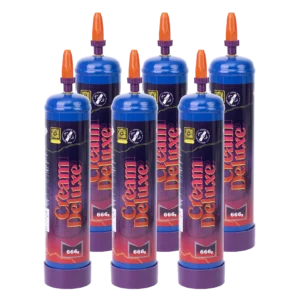
Products such as galaxy gas are associated with culinary cream-charger applications that work with compatible dispensing equipment. In the right setup, this can help staff prepare aerated toppings more efficiently and apply them consistently across multiple drinks.
Reducing repeated manual preparation can help employees focus on drink assembly, customer service, and maintaining a clean station during high-volume periods.
Build Seasonal Drinks Around Familiar Ingredients
Seasonal menus can generate interest without requiring a cafe to redesign everything it serves. A standard coffee or chocolate drink can often be updated with a seasonal topping, garnish, or flavor variation. For example, warmer months may feature fruit-inspired or vanilla-based drinks, while cooler seasons may focus on chocolate, cinnamon, caramel, or coffee flavors.
Whipped toppings can support this flexibility because the base preparation method can remain familiar while the flavor profile changes. This makes seasonal menu development more manageable for smaller businesses with limited staff and storage space.
Improve Visual Presentation
Customers often notice presentation before they taste a drink. This is especially true with layered beverages, milkshakes, and dessert-style coffees. A controlled whipped topping can add height, create a cleaner finish, and provide a base for additional garnishes such as cocoa powder, cookie crumbs or a drizzle.
A culinary option such as Exotic whip can fit within an appropriate cream-charger setup for food preparation. When used as intended, it can support consistent topping preparation for drinks that require a polished visual finish. The goal is not to overload the beverage but to create a balanced presentation that matches the rest of the menu.
Keep Portion Sizes Predictable
Portion control matters in beverage service just as much as it does in plated food. If different staff members apply very different amounts of whipped topping, both appearance and ingredient costs can become inconsistent.
A standard dispensing method can help the team define the right portion for each drink category. Smaller coffees may need a modest finish, while larger dessert-style beverages may require more. Consistent portions help businesses understand ingredient usage and can make recipe costing more accurate over time.
Give Staff Clear Preparation Standards
A beverage menu becomes easier to manage when employees follow the same process. Staff should know how each drink is assembled, which topping is used, how much should be applied, and what garnish finishes the presentation.
Reference cards or photos can help employees follow the same visual standard across shifts. This is particularly useful for businesses with part-time or rotating staff. Clear preparation standards also reduce the amount of decision-making needed during a busy service period.
Maintain Proper Cleaning and Storage
Cream-based toppings require careful food handling. Ingredients should be kept at suitable temperatures, and any dispensing equipment should be cleaned according to the manufacturer’s instructions.
Pressurized culinary products should also be stored safely and protected from heat or physical damage. Staff should be trained in proper handling before using the equipment during service. A clean and well-maintained beverage station supports both food quality and efficient workflow.
Conclusion
Whipped toppings can help cafes and dessert shops create more appealing specialty drinks without making service unnecessarily complicated. They can add texture, improve presentation, support seasonal flavors, and help standardize portion sizes.
When cream-charger systems are used responsibly for culinary purposes, they can become a useful part of an organized beverage program. Combined with clear recipes, proper training, safe storage, and thoughtful presentation, they can help businesses offer drinks that feel more polished while keeping daily preparation practical.
