
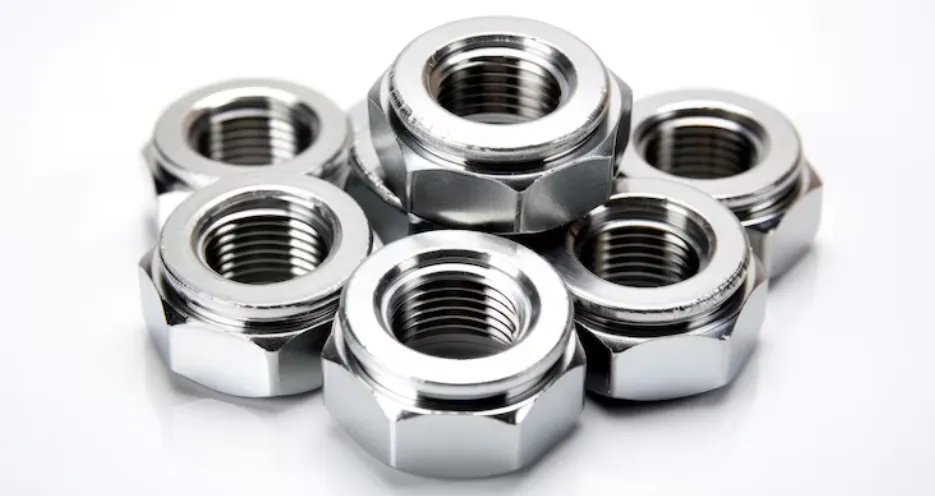
Heavy machinery is used in industries like construction, mining, manufacturing, and transportation. These machines work under high pressure, vibration, and constant movement. Because of this, every small part plays an important role in keeping the machine safe and stable. One such important component is locknuts. Locknuts are specially designed fasteners that help prevent loosening of bolts and nuts during operation. Without proper fastening, machinery can become unsafe and may lead to serious accidents or equipment failure. Understanding how locknuts work and why they are important helps improve safety and efficiency in heavy machinery operations.
What Are Locknuts and Their Role in Machinery
Locknuts are a type of nut designed to resist loosening under vibration and heavy load conditions. In heavy machinery, regular nuts can become loose over time due to continuous movement and pressure. Locknuts solve this problem by creating extra resistance between the nut and bolt threads. This tight grip ensures that the connection stays firm even in tough working environments. In industrial machines, they are commonly used in engines, assembly parts, and rotating equipment where stability is critical for safe operation.
How Locknuts Enhance Safety in Operations
Safety is one of the most important concerns in heavy machinery work, and locknuts play a major role in maintaining it. When machine parts stay tightly secured, the chances of sudden breakdowns or loose components are greatly reduced. This prevents accidents that could harm workers or damage equipment. Locknuts help keep joints stable even when machines are exposed to strong vibrations or heavy loads. By reducing the risk of parts coming loose, they ensure smoother and safer machine performance during long working hours.
Benefits in Heavy Machinery Maintenance and Durability
Using locknuts also improves the overall maintenance and lifespan of machinery. When components remain securely fastened, there is less wear and tear on the machine. This means fewer repairs and less downtime for maintenance work. Over time, this helps companies save money and increase productivity. Locknuts also support consistent performance by keeping machine parts aligned and stable. Their strong holding ability reduces the need for frequent tightening, making maintenance tasks easier and more efficient for technicians working in demanding environments.
Proper Usage and Installation Importance
For locknuts to work effectively, correct installation is very important. They must be tightened properly according to manufacturer guidelines to ensure maximum grip. If installed incorrectly, they may not provide the required safety and stability. It is also important to choose the right type and size of locknut based on the machine’s load and working conditions. Regular inspection helps ensure they are still in good condition and functioning properly. Proper usage not only improves safety but also enhances the reliability of the entire machinery system.
Conclusion
Locknuts are small but highly important components in heavy machinery operations. They provide strong resistance against loosening, ensuring that machine parts remain securely in place even under extreme conditions. By improving safety, reducing maintenance needs, and increasing durability, locknuts contribute significantly to efficient industrial performance. Their proper selection and installation are key to achieving reliable results. In heavy machinery, where safety and stability are essential, locknuts play a crucial role in keeping operations smooth, secure, and long-lasting.
