
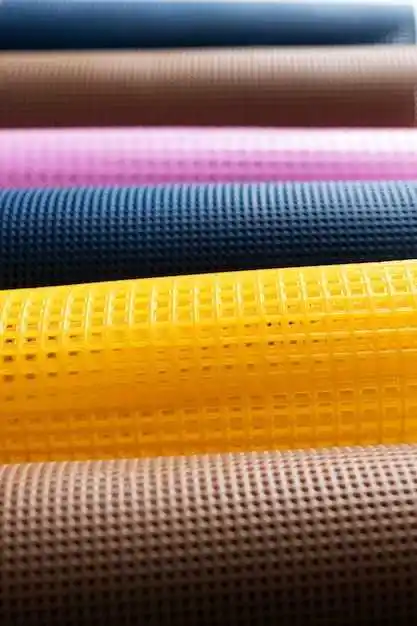
Nylon is more than just a material; it’s a marvel of modern science. Since its invention in the 1930s, this synthetic polymer has revolutionized numerous industries. From fashion to automotive parts, nylon marketing emphasizes its durability, versatility, and affordability. This makes nylon an essential part of our daily lives.
The Birth of Nylon
Nylon was created by Dr. Wallace Carothers and his team at DuPont in 1935. They were searching for a synthetic substitute for silk. They succeeded, and in 1939, nylon stockings made their debut. Women were thrilled. These stockings were more affordable and durable than silk. Nylon marketing campaigns of the era highlighted these benefits, portraying nylon as the “miracle fiber.”
Nylon in Fashion
Nylon’s impact on fashion was immediate and lasting. It’s light, strong, and stretchy. These qualities make it perfect for activewear, swimwear, and outerwear. Athletes and outdoor enthusiasts love nylon for its resilience and comfort. Nylon marketing in the fashion industry highlights these attributes, showing how nylon keeps up with an active lifestyle. From yoga pants to windbreakers, nylon is a wardrobe staple worldwide.
Everyday Uses of Nylon
Nylon’s versatility extends far beyond fashion. It’s in everyday items we often overlook. Your toothbrush bristles, hair combs, and even kitchen spatulas often contain nylon. Carpets and upholstery fabrics benefit from nylon’s durability and ease of cleaning. Nylon marketing for household products emphasizes these practical benefits. Consumers appreciate nylon’s long-lasting and low-maintenance nature.
Nylon in Industry
Industries rely heavily on nylon. Its high melting point, toughness, and resistance to chemicals make it ideal for mechanical parts. The automotive industry, for example, uses nylon in fuel lines, radiator fans, and air intake manifolds. These parts must withstand high temperatures and harsh conditions, and nylon performs exceptionally well. In industrial nylon marketing, the focus is on performance and cost-efficiency, showing manufacturers the value nylon brings to their products.
Environmental Impact and Innovations
The environmental impact of nylon is a concern. Traditional nylon production relies on petrochemicals, which can harm the environment. However, the industry is evolving. Innovations in recycling and the development of bio-based nylons are paving the way for a more sustainable future. Modern nylon marketing often highlights these eco-friendly advancements. Brands now promote recycled nylon products and sustainable practices, appealing to environmentally conscious consumers.
The Future of Nylon
Nylon’s future is bright. Researchers continuously explore new applications and improvements. Smart textiles, which integrate technology into fabrics for health monitoring, are on the horizon. The move towards sustainable nylon production also continues to gain momentum. Effective nylon marketing will play a crucial role in this evolution, educating consumers about these advancements and the ongoing benefits of nylon.
Conclusion
Nylon has come a long way since its early days as a silk substitute. Its journey through fashion, household products, and industrial applications showcases its remarkable versatility and utility. Nylon marketing has successfully adapted to these changes, promoting nylon’s many advantages and ensuring its place in modern life. As we look to the future, nylon’s role is set to expand even further, solidifying its position as a fabric of innovation and sustainability.
In conclusion, nylon stands out as a testament to human ingenuity. Its ability to adapt and thrive in various applications makes it indispensable. Through effective nylon marketing, this synthetic fiber continues to capture the imagination of consumers and industries alike. Nylon is here to stay, proving itself time and again as the fabric of modern life.
